
Why Myths About Weight Persist
Misconceptions about body weight management are widespread in UK media and society. They often stem from oversimplified explanations of complex physiological processes, selective presentation of research, or outdated information that continues to circulate. This site provides scientific context and evidence to explain why these popular claims do not match current understanding of metabolism, nutrition, and human physiology.
Educational content only. No promises of outcomes.

How This Site Works
Each myth is presented with a clear explanation of why it does not align with scientific evidence. The site uses research data, physiological mechanisms, and historical context to clarify common misunderstandings. Rather than offering prescriptive advice, we explain the mechanisms behind each concept so you can better understand the science.
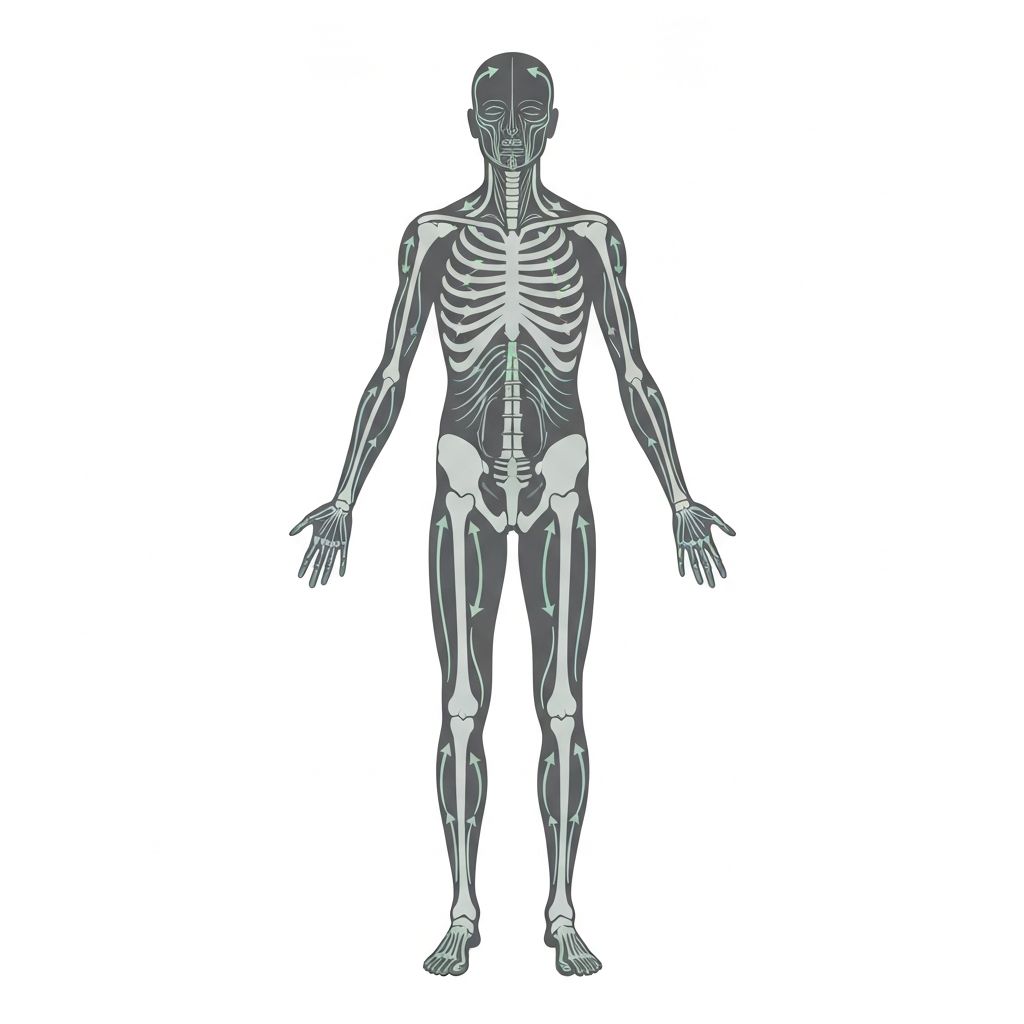
Spot Reduction: A Physiological Impossibility
One of the most persistent myths is that fat can be lost from specific areas through targeted exercise. Physiologically, fat loss occurs systemically in response to overall energy balance, not through localised effort. Research demonstrates that spot reduction exercises do not preferentially reduce fat in those regions.
Key concept: Adipose tissue responds to whole-body energy signals, not to localised muscular activity in the surrounding area.
Read the detailed explanation →Carbohydrates and Weight: Understanding Energy
Carbohydrates are often blamed for weight gain, but they function as a primary energy source. The role of carbohydrates in energy balance depends on total intake and overall dietary composition, not on carbohydrates in isolation. Evidence shows that carbohydrate quality and portion size matter more than categorical restriction.
Key concept: Carbohydrates provide 4 calories per gram and play distinct roles in metabolism compared to fats and proteins.
Read the detailed explanation →
Metabolism After 30: Separating Fact from Fiction
The claim that metabolism "crashes" after age 30 is overstated. Metabolic rate does decline with age, but the rate of decline is modest and gradual. More significant factors include changes in body composition, activity levels, and muscle mass, which can be modulated through lifestyle. Longitudinal studies show the decline is not the dramatic "wall" often described.
Key data: Resting metabolic rate decreases approximately 2–3% per decade after age 30, not the 30–50% reductions sometimes claimed.
Read the detailed explanation →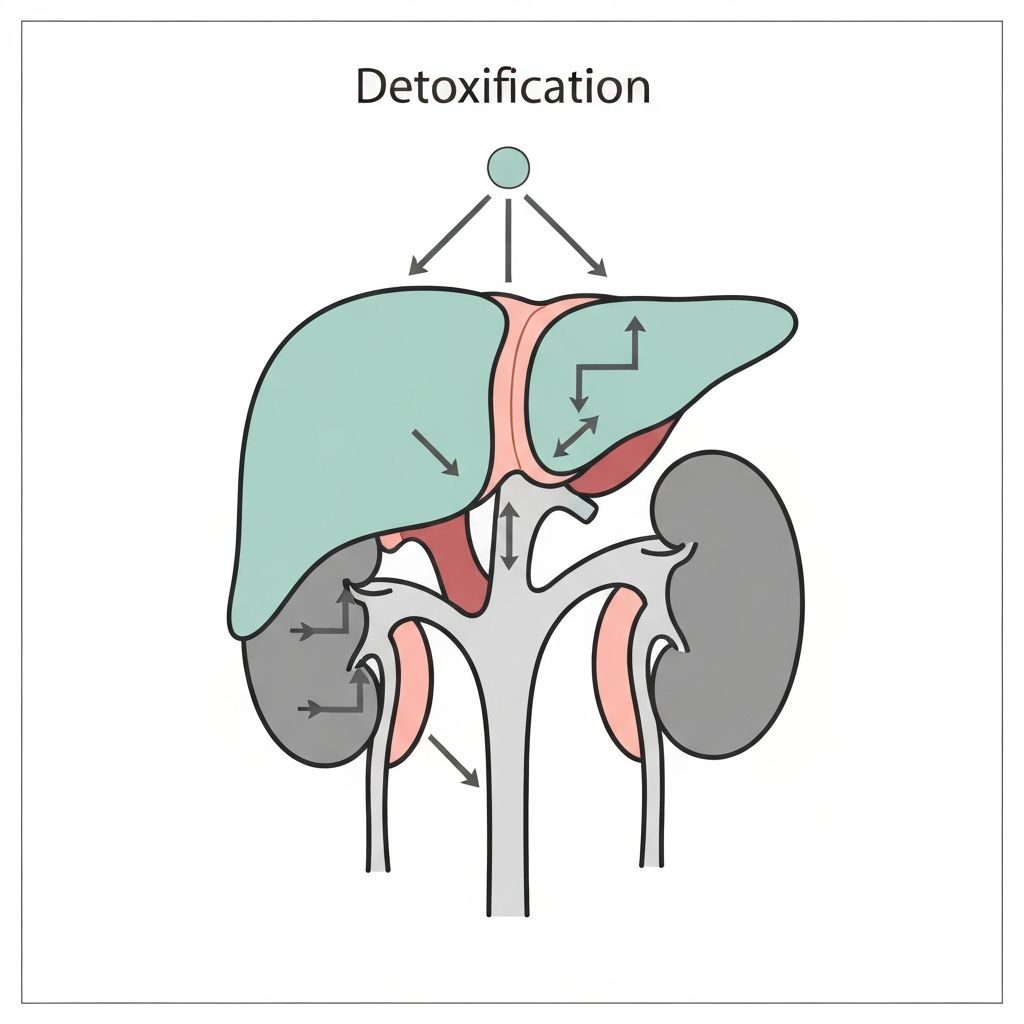
Detox Diets: What Physiology Actually Shows
Detox products and regimens claim to remove toxins from the body, but the liver and kidneys already perform these functions continuously. Marketing claims about special cleanses or juice regimens are not supported by physiological evidence. These organs have evolved sophisticated systems for elimination without requiring external intervention.
Key concept: The body's natural detoxification systems function regardless of dietary supplements or restrictive protocols.
Read the detailed explanation →Late-Night Eating and Weight: Is Timing Really Critical?
A widespread belief is that eating late at night automatically leads to weight gain. However, research on meal timing shows that total intake matters far more than when meals are consumed. The body's capacity to process and store energy does not fundamentally change based on clock time. Context such as portion sizes, food choices, and overall daily intake are more predictive than meal timing alone.
Key finding: Studies comparing identical meals at different times show minimal metabolic differences attributable to timing.
Read the detailed explanation →Superfoods and Metabolism: Modest Effects
Marketing often claims certain foods "boost" metabolism significantly. While all foods require energy to digest (thermic effect of food, or TEF), the magnitudes are small relative to total daily energy expenditure. Even foods with slightly elevated TEF—such as protein-rich options—produce effects that are modest in the context of overall energy balance.
Key concept: Thermic effect of food typically accounts for 8–15% of total daily energy expenditure.
Read the detailed explanation →
Detailed Myth-Debunking Articles
Spot Reduction Myth
Why targeted exercise doesn't reduce fat in specific areas.
Explore the explanation →Metabolism-Boosting Foods
Understanding thermic effects and realistic impacts.
Explore the explanation →How Misinformation Spreads
Misconceptions about weight management often originate from:
- Media sensationalism: Headlines that oversimplify complex research findings.
- Commercial interests: Marketing promoting simple solutions to multifactorial processes.
- Social proof: Widespread repetition of claims without critical evaluation.
- Outdated information: Older nutritional guidance that has been refined with newer evidence.
- Misinterpreted studies: Single studies extrapolated beyond their actual scope.

Frequently Asked Questions
Is this site providing medical advice?
No. This is an educational resource explaining scientific concepts. It is not a substitute for personalised professional guidance.
Why do these myths persist if they're not scientifically supported?
Myths often appeal to intuition or offer simple explanations for complex processes. Marketing, media sensationalism, and social repetition reinforce them.
Where can I find more scientific evidence?
Each article references research concepts and principles. For specific studies, consult peer-reviewed journals or speak with a qualified health professional.
Does Vyntra sell products or services related to weight management?
No. Vyntra is an independent educational initiative with no commercial products or services.
Can I apply this information to my own situation?
This content explains general scientific principles. Individual circumstances vary greatly. Always consult qualified professionals for personalised guidance.
Continue Your Learning
Explore more evidence-based explanations of weight management concepts. Visit our blog for detailed articles on each myth.
View All Articles