The Claim
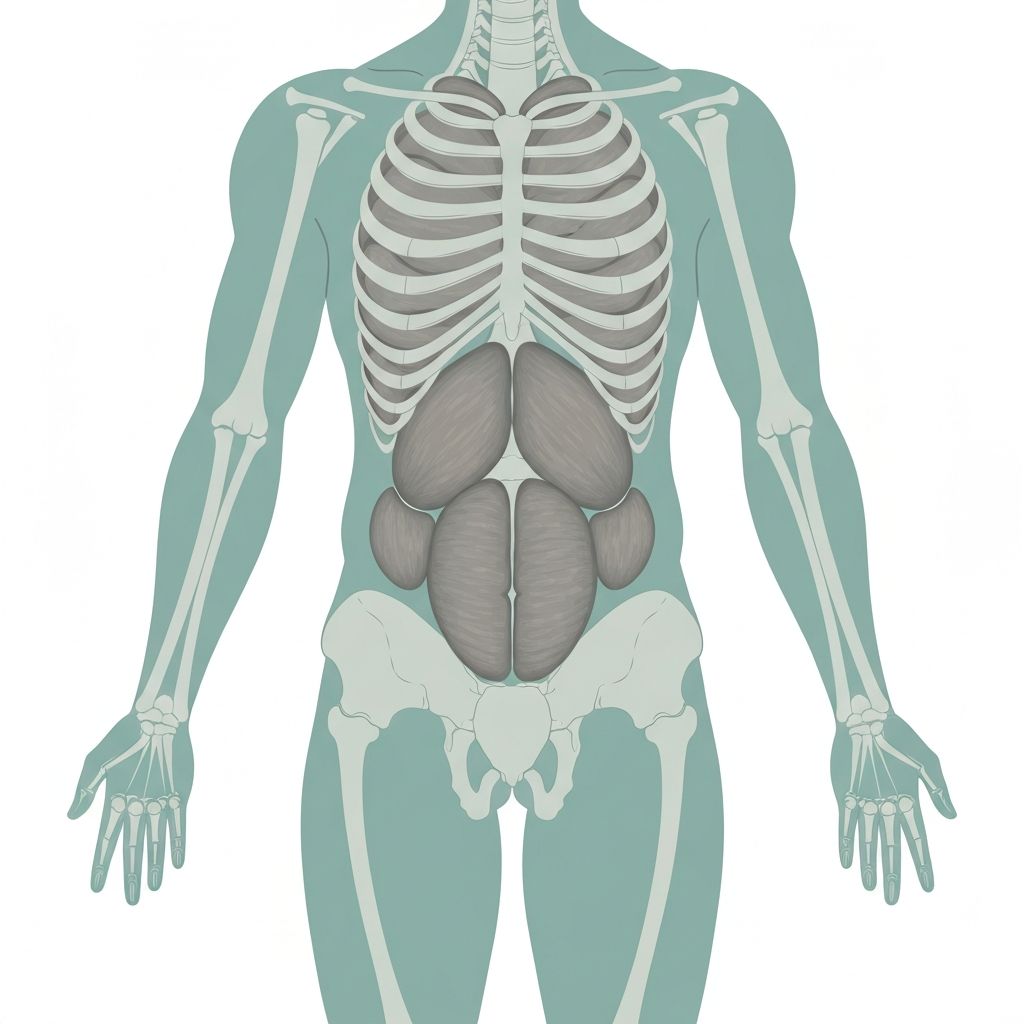
Spot reduction—the idea that fat can be lost from specific areas through targeted exercise—is one of the most enduring myths in fitness and weight management. The claim suggests that doing abdominal exercises removes fat from the abdomen, or that arm exercises reduce arm fat. This notion has persisted for decades and continues to influence commercial fitness marketing.
Why the Myth Exists
The myth appears intuitive: if you exercise a particular body part, fat from that area should disappear. This reasoning aligns with how muscles work—targeted exercise builds muscle in the exercised area. However, fat loss operates through fundamentally different mechanisms than muscle gain, and the physiology does not support localised fat reduction through regional exercise.
The Scientific Evidence
Research consistently demonstrates that fat loss occurs in response to systemic energy balance, not to localised muscular activity. Multiple studies have examined whether targeted exercises produce preferential fat loss in surrounding regions.
Key Physiological Mechanisms
Fat tissue (adipose tissue) responds to hormonal signals and whole-body energy status. When the body requires energy, it mobilises fat from storage through processes regulated by hormones such as epinephrine, norepinephrine, and glucagon. This mobilisation is not directed by local muscular demand but by systemic energy signals.
Critical concept: Adipose tissue does not "know" which muscles are being exercised. Lipolysis (fat breakdown) is controlled by systemic signals, not local factors.
Distribution of Fat Loss
Fat loss typically follows a genetically determined pattern of distribution. Individuals lose fat from certain areas preferentially—for example, some people lose facial fat before truncal fat, or vice versa. This pattern is determined by genetics and sex hormones, not by which body part is exercised most. If spot reduction worked, this pattern would be overridden by exercise, but it is not.
Why Targeted Exercise Doesn't Change Fat Distribution
When people engage in targeted exercise and observe fat loss in that region, they typically also have reduced total body energy intake or increased overall activity. The fat loss results from systemic changes, not from the localised exercise. Controlled studies isolating exercise in one region show no preferential fat loss in that area when total energy balance is held constant.
The Role of Muscle Building
Exercise does increase muscle in the targeted region, which can change the appearance of that area. Increased muscle mass may create a leaner appearance even if fat loss is not localised. This distinction—between local muscle building and local fat loss—is crucial to understanding why spot reduction appears to work but does not actually reduce fat preferentially.
What Actually Determines Fat Loss Location
- Genetics: Inherited patterns of fat distribution and mobilisation
- Sex hormones: Oestrogen and testosterone influence where fat is stored and mobilised
- Age: Fat distribution patterns change across the lifespan
- Systemic energy status: Overall caloric balance determines whether fat is mobilised
Historical Context
The spot reduction myth gained prominence in the mid-20th century as commercial fitness and weight loss industries expanded. Marketing capitalised on intuitive appeal, and the myth persisted even as research contradicted it. The myth remains commercially useful because it suggests that targeted exercise can solve localised aesthetic concerns without requiring broader lifestyle changes.
Key Takeaways
- Fat loss occurs systemically in response to overall energy balance
- Targeted exercise does not produce preferential fat loss in that region
- Genetic and hormonal factors determine the pattern of fat mobilisation
- Localised muscle building can change appearance but does not constitute spot fat loss
- Confounding variables—such as simultaneous overall energy deficit—can create the appearance of spot reduction
Implications
Understanding that fat loss is systemic rather than localised has practical implications. Targeted exercise remains valuable for building and maintaining muscle in specific regions and for fitness benefits, but it should not be pursued solely for localised fat loss. Effective approaches to fat loss involve managing overall energy balance through dietary and activity patterns, with genetics determining where fat will be mobilised from.
Educational Context
This explanation describes general physiological principles and does not constitute personalised advice. Individual responses to exercise and energy balance vary. For guidance tailored to specific circumstances, consultation with a qualified health professional is appropriate.