The Claim
A widespread belief is that carbohydrates inherently cause weight gain. This myth often manifests as the idea that "carbs make you fat" or that simply reducing carbohydrate intake will lead to weight loss. This belief has driven numerous commercial diet trends and continues to influence public perception of nutrition.
Why This Myth Persists
Carbohydrate-containing foods are often energy-dense and highly palatable, which can lead to overconsumption. Additionally, carbohydrate restriction does produce initial rapid weight loss due to glycogen depletion and associated water loss—an effect that can reinforce the belief that carbs specifically cause weight accumulation. Marketing for low-carbohydrate diets has amplified this misconception.
The Scientific Foundation
Energy Content
Carbohydrates provide 4 calories per gram, identical to protein. Fat provides 9 calories per gram. From a pure energy perspective, carbohydrates are not inherently more "fattening" than protein. Weight change depends on total energy intake relative to expenditure, not on carbohydrate content in isolation.
Metabolic Role of Carbohydrates
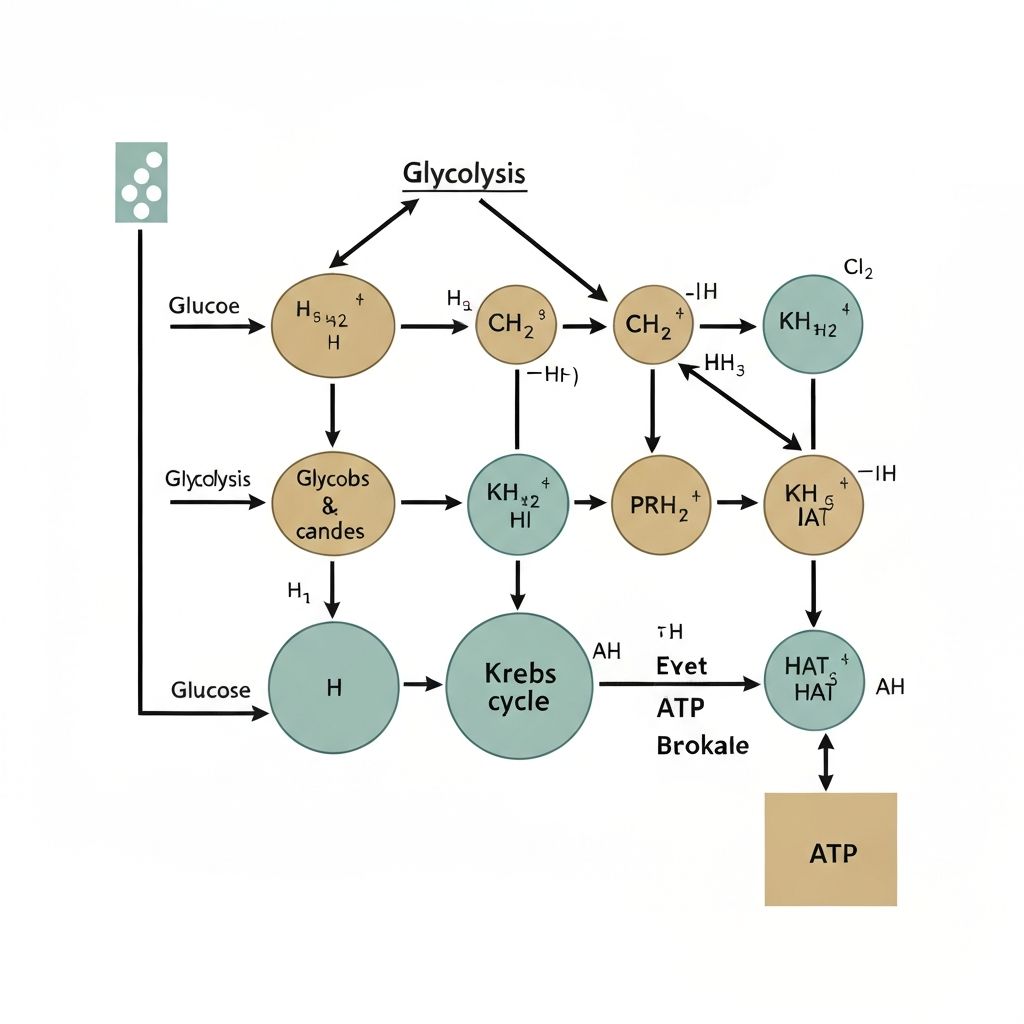
Carbohydrates serve as the primary fuel for the central nervous system and muscles. They are stored as glycogen in the liver and muscles for immediate energy use. When carbohydrate intake meets metabolic demand, the body uses them for energy rather than converting them to fat. Only in conditions of extreme surplus does the body convert carbohydrates to fat through a process called de novo lipogenesis—and this process is energetically inefficient, suggesting the body prefers to store excess as fat or use carbohydrates for fuel.
Energy Balance and Weight
Weight change is fundamentally determined by energy balance: calories consumed versus calories expended. This principle applies regardless of whether calories come from carbohydrates, fats, or protein. Research comparing diets with identical total calories but different macronutrient ratios shows that weight loss is equivalent when total energy is matched.
Carbohydrate Quality and Metabolic Effects
While total intake matters most, carbohydrate quality does influence metabolic responses:
- Fibre content: Higher-fibre carbohydrates slow digestion, providing greater satiety and more stable blood glucose.
- Glycemic index: Low-glycemic foods produce smaller blood glucose fluctuations and may support greater satiety.
- Processing: Refined carbohydrates lack fibre and micronutrients compared to whole grains.
These factors influence how carbohydrates affect appetite and food intake patterns, but they do not change the fundamental energy balance equation.
Research Evidence
Numerous controlled studies have examined carbohydrate restriction and weight change:
- When total calories are equal, low-carbohydrate and high-carbohydrate diets produce similar weight loss.
- Initial rapid weight loss with carbohydrate restriction primarily reflects glycogen depletion and water loss, not preferential fat loss.
- Long-term adherence and sustainability are more predictive of weight change than macronutrient composition.
Meta-analyses of randomised controlled trials consistently show that macronutrient composition is less important than total energy intake for weight loss.
Why Carbohydrate-Restricted Diets Appear Effective
Several mechanisms can explain why people lose weight on low-carbohydrate diets:
- Reduced overall intake: Elimination of a macronutrient category often reduces total calories spontaneously.
- Increased satiety from protein and fat: These macronutrients have higher satiety effects, leading to reduced appetite.
- Water loss: Glycogen depletion removes associated water, creating rapid initial weight loss.
- Reduced highly palatable foods: Many carbohydrate-rich ultra-processed foods are removed, reducing temptation.
These effects produce weight loss not because carbohydrates cause weight gain, but through indirect mechanisms that reduce total energy intake.
Carbohydrates and Athletic Performance
Carbohydrates are critical for athletic performance and recovery. They fuel high-intensity exercise and support post-exercise glycogen replenishment. For individuals engaged in regular physical activity, adequate carbohydrate intake is important for performance and recovery—not something to be universally avoided.
Key Takeaways
- Carbohydrates provide the same calories per gram as protein (4 kcal/g).
- Weight change is determined by overall energy balance, not by carbohydrate content specifically.
- Carbohydrate quality (fibre, processing) influences metabolic responses but does not change energy balance fundamentals.
- Carbohydrate restriction can produce weight loss through mechanisms that reduce total calorie intake, not through special metabolic properties.
- Adequate carbohydrate intake supports athletic performance and central nervous system function.
Practical Implications
Effective weight management considers total energy intake, food quality, satiety, and individual preferences. For some individuals, including adequate carbohydrates supports better adherence and metabolic health. For others, lower carbohydrate approaches may be more sustainable. The key is finding an approach that aligns with individual needs and can be maintained long-term.
Educational Context
This explanation describes general physiological and metabolic principles. Individual responses to different macronutrient ratios vary. For personalised guidance, consultation with a qualified health professional is appropriate.